One-on-one HAL robotic therapy
for fall prevention & mobility.
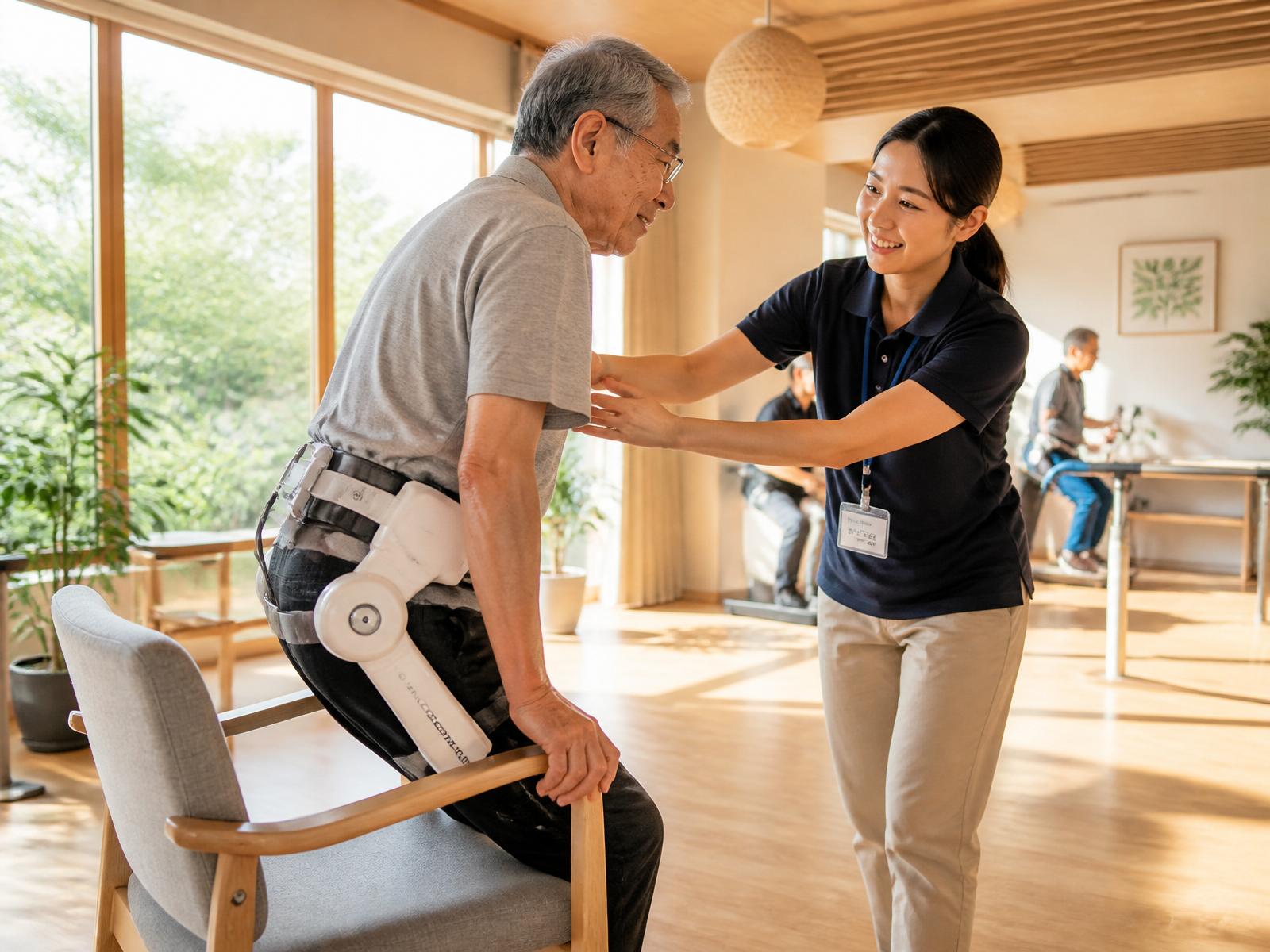
One-on-one sessions with the HAL Lumbar exoskeleton — a wearable robot that reads your body's own nerve signals to rebuild balance, strength and confidence. Fewer falls. Fewer hospital visits. More independence.
Your intention. Amplified.
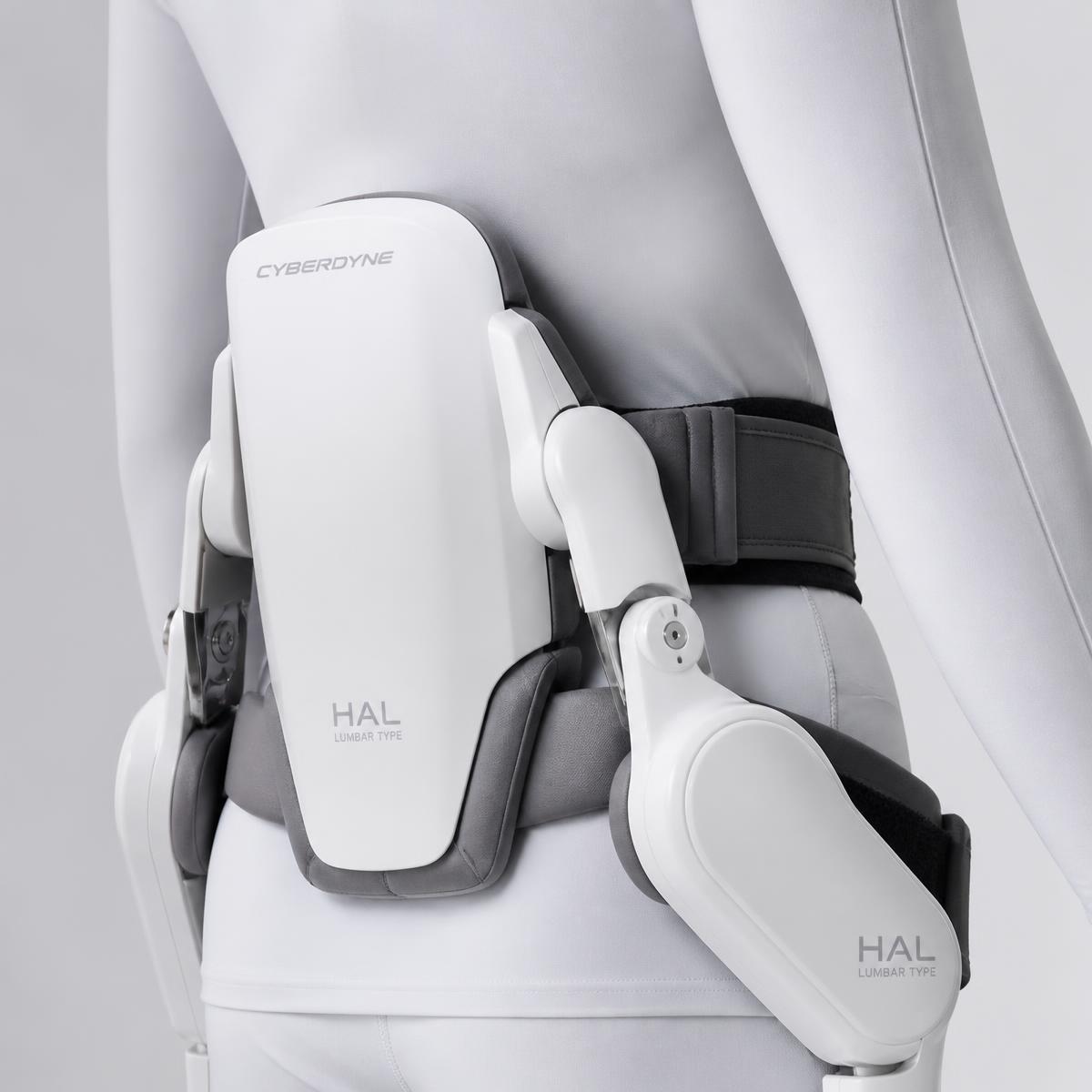
The HAL Lumbar Type is a wearable robot developed by CYBERDYNE Inc. in Japan. It picks up the faint bioelectric signals your brain sends to your muscles and gently assists the movement you're already trying to make.
- ✓Reads your body's signalsSensors on the skin detect the neural command to move — before your muscles even contract.
- ✓Assists sit-to-standThe device supports trunk extension and hip lift, so standing up feels lighter and safer.
- ✓Rebuilds neural pathwaysRepeated, successful movement retrains the brain–muscle loop, restoring real strength over time.
Three things we work on. All of them keep you home.
A fall is rarely just a fall. It's a hip fracture, a hospital stay, months of lost strength, and often a permanent move into assisted care. Our entire program is built to stop that chain of events before it starts.
Fall prevention
Falls happen when the signal from the brain arrives too slowly and the muscle answering it is too weak. HAL trains both halves at once: it detects your intention to move and assists the exact instant your body tries, so the neural pathway fires cleanly and the trunk, hip and leg muscles load properly. Faster reactions and a stronger core mean you catch yourself instead of going down — avoiding fractures, emergency visits, and the long, expensive recovery that follows.
Mobility
Standing up, turning around, climbing a step, getting in and out of a car. These are trainable movements, not things you simply lose to age. We rehearse them under robotic assistance until they feel light again, so your range of motion, walking speed and endurance all come back — and going out stops feeling like a risk.
Independence
The goal is walking across a room without a walker, a cane, or someone's arm. Every session is measured against real-life function: can you rise from a chair unaided, can you walk further than last month, can you manage your own day. Less reliance on devices and helpers means more dignity — and lower long-term care costs for the whole family.
The cost of one fall
Prevention is measured in sessions. The alternative is measured in surgeries, rehab beds, home modifications and paid caregivers. Training your balance now is the cheapest thing you will ever do for it.
Start with one session. Stay for the independence.
Every session is one-on-one with a trained therapist. No crowded classes, no guesswork — just focused work on the movements that keep you out of hospital: getting up, walking, catching your balance.
Single Session
A full HAL Lumbar session with a therapist — balance and gait screening, fitting, and guided sit-to-stand and walking work.
- —Fall-risk screening included
- —Wear the HAL the same day
- —No commitment
6-Session Package
Our core program. Enough repetition for the brain–muscle pathways to actually change, modeled on published multi-week HAL protocols.
- —Baseline & exit mobility assessment
- —1–2 sessions per week
- —Home-exercise plan to keep gains
Membership
For graduates of the 6-session package. Ongoing maintenance so the strength, balance and confidence you rebuilt don't slip away.
- —2 HAL sessions every month
- —Quarterly progress re-assessment
- —Priority booking & caregiver check-ins

Built for the people who built everything else.
Backed by peer-reviewed research.
HAL therapy isn't experimental. It's an evidence-based intervention studied in seniors, frailty patients, and people with Parkinson's Disease.
5-week program in low-fitness older adults
A 5-week HAL exercise program showed lasting improvements in physical function measured 5 months after training ended.
Biofeedback core exercise for frailty & Parkinson's
HAL-assisted core training improved trunk stability and functional mobility in physically frail patients, with and without Parkinson's Disease.